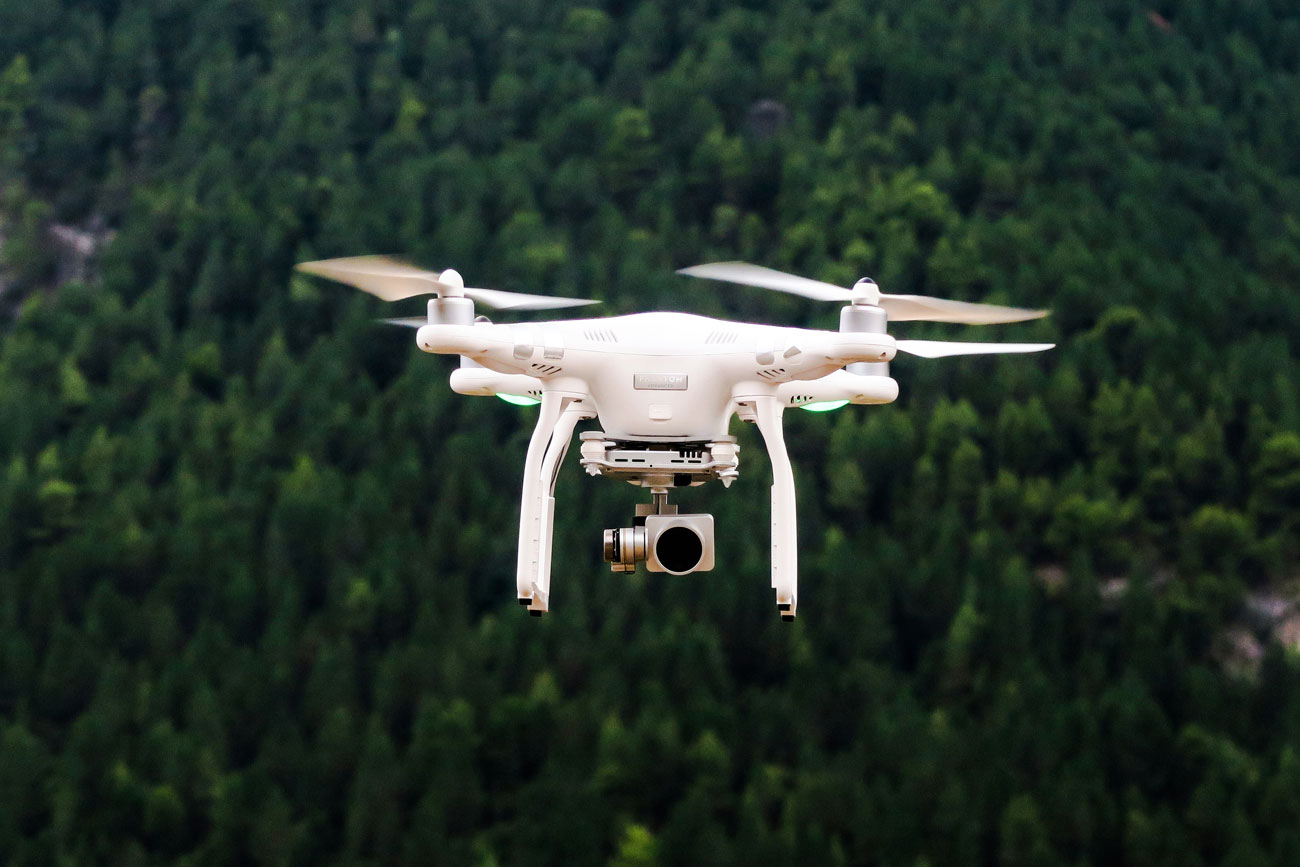
Traditional top-down surveillance—towers, satellites, drones, cameras—are expensive, inflexible, high bandwidth, and have critical line-of-sight vulnerabilities. When crisis strikes, administrators and first responders waste valuable time piecing together information from disconnected systems. In active shooter situations, those lost minutes cost lives.

Our Capabilities






Frequently Asked Questions
How does MIND differ from traditional camera systems?
Traditional camera systems require manual search of video feeds to pinpoint crisis events, which is time-consuming and imperfect. MIND instantly identifies the who, what, where and when of any crisis and presents map-based images to decision makers in seconds, not minutes. Our sensor-curated triggers are more accurate and reliable than human reporting.
What happens during a power outage?
MIND maintains full operational capabilities during power outages, with nodes automatically switching to long-life batteries. The system is designed as a persistent, 'leave behind' solution with 3-5 year battery life.
How quickly does the system respond to threats?
When a high decibel noise is detected, MIND triggers within seconds. SMS messages are sent to administrators, police, and 911 with images captured within a second of the trigger. This enables response teams to begin deployment faster than typical 911 call processing.
Does MIND work in all weather conditions?
Yes. The system continuously monitors 24/7/365 and 'sees' through weather, hills, vegetation and even tree cover to detect hidden incursions that are invisible to traditional surveillance.
What are the data requirements?
MIND uses an ultra-low data design that can operate on existing WiFi systems. The system transmits images, not video, significantly reducing bandwidth requirements compared to traditional camera systems.